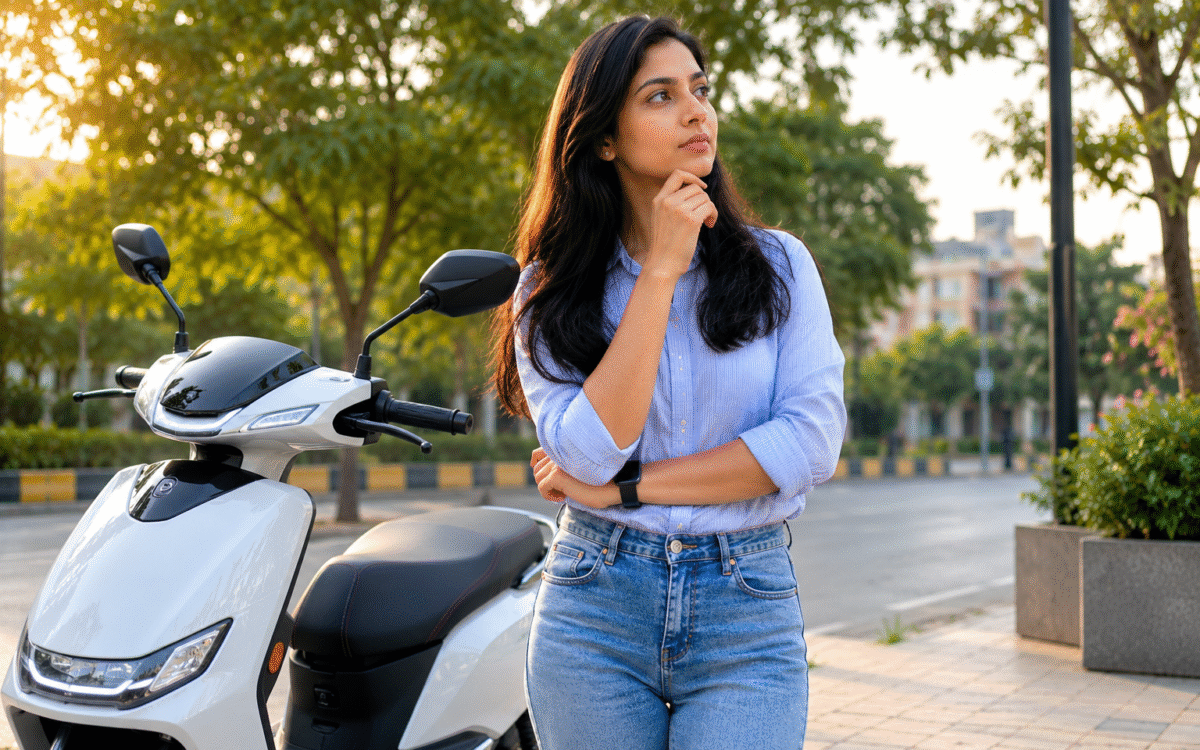
Is India Ready for Electric Vehicles? A Complete 2026 Reality Check
Electric Vehicles (EVs) are no longer a futuristic concept—they are rapidly becoming part of everyday life. With rising fuel prices, increasing environmental concerns, and strong government support, India is witnessing a noticeable shift toward electric mobility. But the real question remains: Is India truly ready for electric vehicles?
Let’s explore this from multiple angles—technology, infrastructure, affordability, and consumer readiness—to understand the real picture.
The EV Revolution in India: Where We Stand Today
India is currently one of the fastest-growing EV markets in the world. From electric two-wheelers and auto-rickshaws to premium electric cars, the market is expanding quickly.
Key developments include:
- Rapid growth in electric two-wheeler adoption
- Entry of major automobile brands into the EV space
- Government initiatives like FAME II subsidies
- Increased startup ecosystem in EV and battery tech
In addition to large manufacturers, emerging companies like Evishwa are playing a significant role in expanding access to electric mobility across India. Their focus on affordable and practical electric scooters is helping accelerate adoption, especially in urban and semi-urban areas.
Charging Infrastructure: The Biggest Challenge
One of the most critical factors for EV adoption is charging infrastructure—and this is where India still faces challenges.

Current Situation:
- Charging stations are mainly available in metro cities
- Highways are gradually getting EV charging points
- Tier-2 and rural areas still lack proper infrastructure
Key Issues:
- Range anxiety among users
- Long charging times compared to fuel refilling
- Limited fast-charging availability
Positive Developments:
- Government and private companies are investing heavily
- Oil companies are installing EV chargers at fuel stations
- Mobile apps are helping users locate nearby charging stations
Conclusion: Infrastructure is improving but not yet fully ready nationwide.
Battery Technology and Cost Factors
Batteries are the core of EV technology—and also the most expensive component.
Current Challenges:
- High upfront cost due to battery pricing
- Dependency on imports for lithium and battery materials
- Battery replacement cost is still high
Improvements:
- Advancements in lithium-ion technology
- Research in solid-state batteries
- Government push for local manufacturing
Cost Comparison:
| Factor | EV | Petrol Vehicle |
|---|---|---|
| Initial Cost | Higher | Lower |
| Running Cost | Very Low | High |
| Maintenance | Low | Moderate to High |
Conclusion: EVs offer long-term savings, but affordability remains a concern for first-time buyers.
Government Policies and Support
The Indian government is actively promoting EV adoption through various policies.
Key Initiatives:
- FAME II scheme
- State-level subsidies in Gujarat, Maharashtra, Delhi
- Tax benefits for EV buyers
- Incentives for manufacturers
Impact:
- Reduced purchase cost
- Increased manufacturer participation
- Faster market growth
However, policy benefits differ from state to state, which affects uniform adoption.
Conclusion: Policy support is strong and continues to drive the EV ecosystem forward.
Service and Maintenance Ecosystem
India has a well-developed servicing ecosystem for traditional vehicles, but EV servicing is still evolving.
Current Scenario:
- Limited trained EV technicians
- Fewer specialized EV service centers
- Lack of awareness among local mechanics
Opportunities:
- New EV-focused service businesses
- Skill development programs
- Expansion of branded service networks
Companies like Evishwa are also contributing by building support systems around their products, making it easier for customers to maintain electric scooters.
Conclusion: The service ecosystem is growing but requires scaling.
EV Options in India: Growing Choices for Consumers
One of the strongest indicators of EV readiness is the availability of reliable products. Today, Indian consumers have multiple options, especially in the two-wheeler segment.
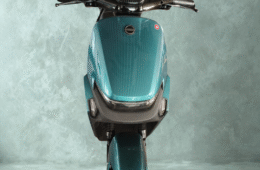
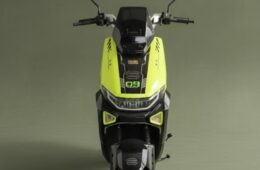
Evishwa offers a range of electric scooters designed for Indian road conditions and daily commuting needs. Some of their popular models include:
- Astro
- Vesta
- Super EV
- Swinger +
- Vesta +
These scooters are built to offer a balance of performance, affordability, and efficiency, making them suitable for city use. Such product offerings are helping bridge the gap between traditional petrol scooters and electric alternatives.
Consumer Mindset: Are Indians Ready?
Consumer behavior is a major factor in EV adoption.
Current Concerns:
- Battery life and replacement cost
- Limited range
- Charging inconvenience
- Resale value uncertainty
Changing Trends:
- Younger buyers are more open to EVs
- Rising fuel prices are influencing decisions
- Awareness about sustainability is increasing
Urban vs Rural Adoption:
- Urban users are adopting EVs faster
- Rural areas still face infrastructure limitations
Conclusion: Consumer interest is rising, but confidence is still developing.
Environmental Impact: A Key Advantage
EVs are widely seen as an environmentally friendly alternative.
Benefits:
- Zero tailpipe emissions
- Reduced urban air pollution
- Lower operational carbon footprint
Challenges:
- Battery disposal concerns
- Dependence on coal-based electricity in some regions
Conclusion: EVs are cleaner than conventional vehicles, but sustainability depends on the energy mix.
EV vs Petrol Vehicles: Quick Comparison
| Feature | Electric Vehicles | Petrol Vehicles |
|---|---|---|
| Fuel Cost | Very Low | High |
| Maintenance | Low | Moderate |
| Pollution | Minimal | High |
| Range | Limited | High |
| Refueling Time | Charging Required | Quick Refueling |
| Infrastructure | Growing | Well Established |
Future Outlook: What Lies Ahead
India’s EV market is expected to grow rapidly over the next decade.
Key trends include:
- Expansion of charging infrastructure
- Reduction in battery costs
- Increase in domestic manufacturing
- Rise of EV startups like Evishwa
- Integration with renewable energy
By 2030, electric vehicles—especially two-wheelers—are expected to dominate urban mobility.
Final Verdict: Is India Ready for Electric Vehicles?
The answer is: India is partially ready and rapidly evolving.
Ready In:
- Government support
- Urban adoption
- Two-wheeler EV segment
- Long-term cost efficiency
Not Fully Ready In:
- Nationwide charging network
- Battery affordability
- Rural accessibility
- Skilled service ecosystem
Conclusion
India is moving steadily toward an electric future. While challenges remain, the progress is undeniable. With companies like Evishwa introducing practical and affordable electric scooters such as Astro, Vesta, Super EV, Swinger +, and Vesta +, the transition is becoming more accessible for everyday users.
For consumers considering a switch, this is an ideal time to explore electric mobility—especially for daily commuting. The shift has already begun, and India is preparing itself for a cleaner, more sustainable transportation ecosystem.